
What may be considered appropriate treatment of animals in one culture may differ greatly in another culture. How does this happen? And what does this mean for veterinary care in a country like Canada, where there are many different cultures with different values?
Different Cultural Norms
Canada is a multicultural country with a wide range of beliefs, practices, and worldivews all interacting with each other. From Indigenous perspectives to those brought in from around the world, there is a great diversity of worldviews in Canada.
Members of the same culture often share certain values, attitudes and beliefs which shape how they interact with the world around them. These attitudes and beliefs could be informed by traditions, or religious beliefs, or even social structures, but one thing is for sure: one culture’s norms may not always align with another culture’s norms.
Examples of Different Cultural Norms
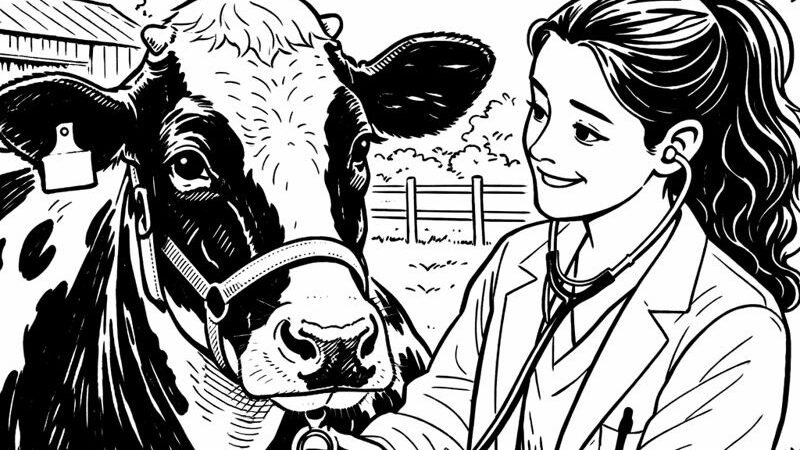
Cows! Did you know that there is a Hindu belief that cows are sacred beings which deserve special treatment and respect compared to other animals, whereas in western agricultural practices, cows are farmed for meat and dairy consumption?
Hunting! Did you know that in many Indigenous cultures, hunting of animals is seen as a traditional practice with many associated rituals, including whole-animal utilization?
Aside from being a normal part of Indigenous life, hunting is a constitutionally protected Aboriginal right in Canada.
Responsibility of Veterinarians
Veterinarians often face challenges related to the cultural norms and religious beliefs of the clients they work with, as those beliefs can influence animal care and production practices. While it is the owner’s responsibility to communicate their beliefs clearly, veterinarians must strive to adapt their standard of care to respect the values of their clients without compromising animal welfare.
Vets must strive to balance evidence-based care with client preferences. Ultimately, Veterinarians may refuse to do procedures that conflict their own values. Balancing professional standards with diverse cultural perspectives is complicated, but essential!
Additional Resources:
Play a classroom KAHOOT based on this article: Click Here!