
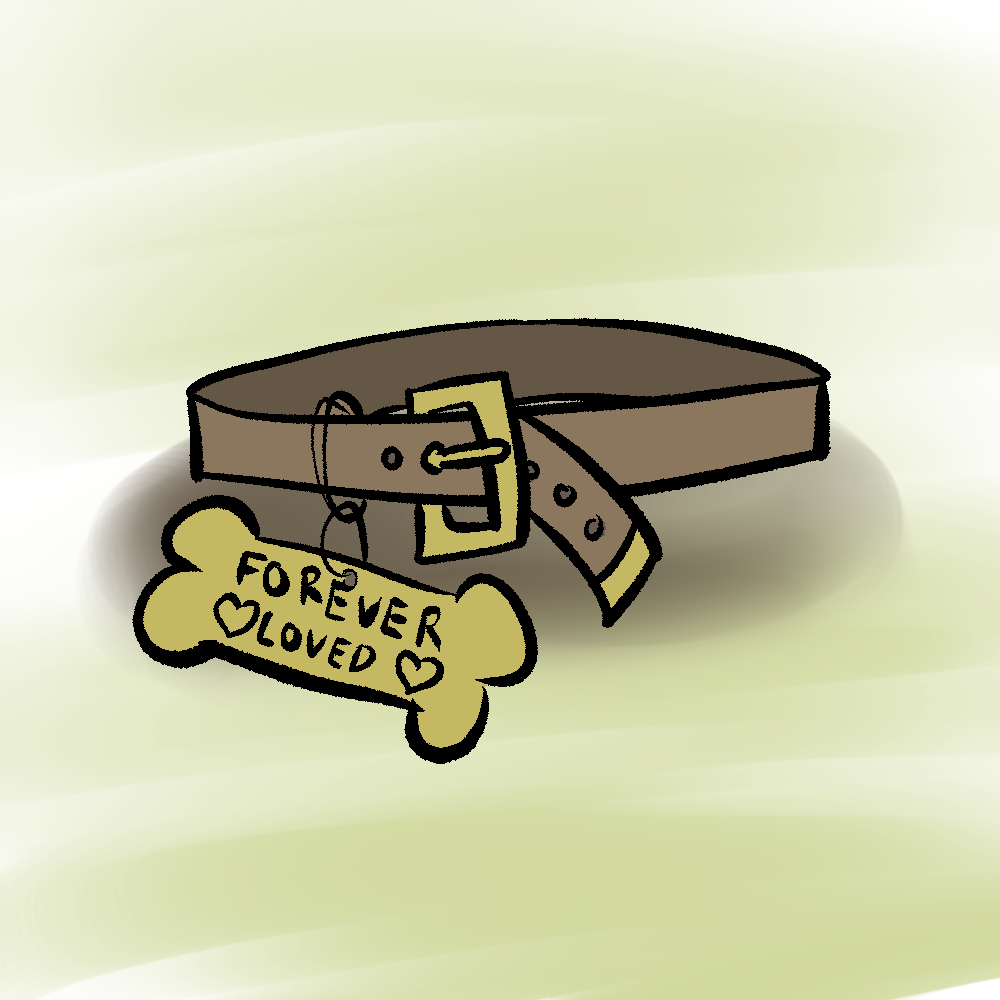
Losing a beloved animal companion is very hard. Pets are family, teachers, protectors, and friends, and it is natural to feel deep sorrow when they pass. The following information is shared to help families care for their pet’s body in a respectful and safe way when other options are not accessible.
Caring for Your Pet After Death
After death, the body changes quickly, especially in the first day or two. If there is a delay before burial or burning, it is best to:
- Gently place your pet in a sealed bag (a large plastic garbage bag works for large dogs)
- Keep them cold (in a freezer or very cold area) to slow natural changes
This allows more time to gather family, prepare a resting place, or hold a small ceremony.
Burial on the Land
Many families choose burial to keep their pet close and honour their life. If burial is chosen:
- Ensure burial on your land is permitted and respectful of local guidelines
- Choose a quiet place away from wells, lakes, streams, or wetlands (at least 30 metres)
- Avoid low areas where water collects, or generally avoid flood-prone land
- Dig deep enough (at least 2 feet, deeper if possible) to prevent disturbance by animals
- Avoid wrapping teh body in plastic or materials that do not break down naturally
- Stones or gravel placed over the site can help protect the resting place
- Be mindful of tree roots and undergorund utilities when choosing a burial site
Important to note: If your pet was euthanized by a veterinarian, the euthanasia drugs remain in the body and can be deadly to wildlive and other animals that scavange on the remains. Extra care with burial depth and location is essential to protect other animals and the environment.
Many families find comfort in holding a small gathering, prayer, or ceremony at the burial site- sharing words, memories, or quiet time together.
Burning (Incineration)
If burial is not possible, burning the body, especially after euthanasia, may be necessary to reduce the risks that the body poses to the community.
- This should be done in a safe, controlled way, following local fire safety rules (a metal burn barrel with a lid works well)
- A very hot, long-lasting fire is needed, and the process can take several hours (stump remover can be usede to increase the temperature of the fire)
- Some bone fragments may remain and can be futher crushed before cooling if needed
This option is often emotionally difficult, and families may wish to include ceremony, song, prayer, or the presence of trusted community members for support.
Honouring the Relationship
However you choose to care for your pet’s remains, what matters most is the respect, love, and intention behind it. Taking time to acknowledge the bond you shared—through story, prayer, or quiet remembrance—can help with healing.
Your pet mattered. Their life mattered. And it is okay to grieve them deeply.
Pet Cremation and Aquamation Services in Manitoba
If you prefer professional cremation or water-based aquamation, the following services are available:
- Tillwell Pet Aquamation (Water Cremation) – Headingly
Call or Text 24/7: 204-885-0409
https://tillwell.ca/pet-aquamation/
- Precious Pet Cremation – Rosser
204-633-6088
https://preciouspetcremation.com
- Peaceful Pasture Pet Cremation (Aquamation) – Lac du Bonnet
204-485-6307
https://www.peacefulpasturecremation.com
- Peaceful Valley Pet Crematorium – Virden
204-748-3101
https://peacefulvalleypetcrematorium.com
These services offer a safe, professional way to care for your pet’s remains.
Transporting a Deceased Pet by Air
Calm Air: Calm air allows deceased pets to travel in cargo, with the following important considerations:
- The body must be stored securely to prevent any fluid leakage
- This usually means double-sealing in plastic bags, then placing the remains inside a sturdy, well-taped box, Styrofoam cooler, or plastic tote
- Deceased pets must not be placed in pet carriers used for live animals, as this can cause confusion and distress for cargo staff
- Many airports that offer cargo services have a cooler or refrigerated storage area where the package can be kept safely until transport
Families must speak directly with the airline or local airport staff for guidance on timing, labeling, and any additional requirements.