
What is rabies?
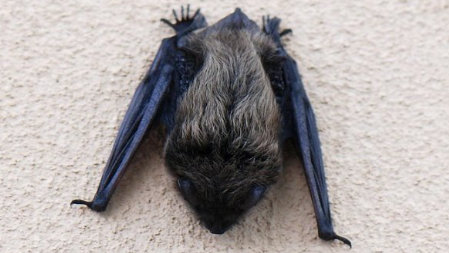
Rabies is a fatal disease that is caused by a virus. It affects foxes, skunks, bats, raccoons, cats, dogs, and HUMANS.
Rabies is transmitted by bites and scratches given by infected animals to those who are not yet infected. The virus lives inside the saliva of infected animals; when the animal bites another animal, the saliva penetrates through their skin into their body.
Once the virus enters the body, it travels along the peripheral nerves to the spinal cord and to the brain, much like a car on a highway. This takes time (Days to weeks), but eventually the virus will reach its final destination in the brain. It is important to realize that this means there is a lag period between being infected with the rabies virus, and displaying symptoms of being infected with the virus. In addition, the closer the bite is to the brain, the less time there is before the virus is fatal.
Symptoms seen in a rabid animal or a human
- Behavioural changes
- More aggressive
- Wild animals/prey species may become less fearful of humans
- Voice change
- Frothing at the mouth
- Eventually:
- Seizures
- Paralysis
- Rabies is always fatal if left untreated!
Remember, you may not see these symptoms right away.
What do I do if I get bitten by an animal I suspect has rabies?
- Go to the hospital immediately. Inform the healthcare workers that you have been bitten by an animal that you suspect has rabies.
- You will receive 4 rabies vaccines over a period of two weeks
- Humans who work with animals for a living (veterinarians, zookeepers, laboratory researchers) are often required to get rabies vaccines before they even start working with animals
What will happen to the animal that bites me?
- Go to the veterinarian and tell the vet that the animal has bitten someone
- If the animal has been vaccinated and appears healthy, isolate the animal from humans for 10 days.
- If the animal is unvaccinated, or is showing symptoms of rabies, euthanize the animal- it’s brain will be tested for the presence of rabies
Prevention for animals
- Avoid bites from wild animals or other dogs
- Fencing to enclose animals (Click here to learn about pallet fences)
- Leash-led walks
- Vaccination
- 1st vaccine at 12 weeks old, then at 1 year, then every 3 years
- If older than 12 weeks old: 1st vaccine ASAP, then 1 year after the first vaccine, then every 3 years
Additional Resources:
Click here to play a review KAHOOT based on this article!