
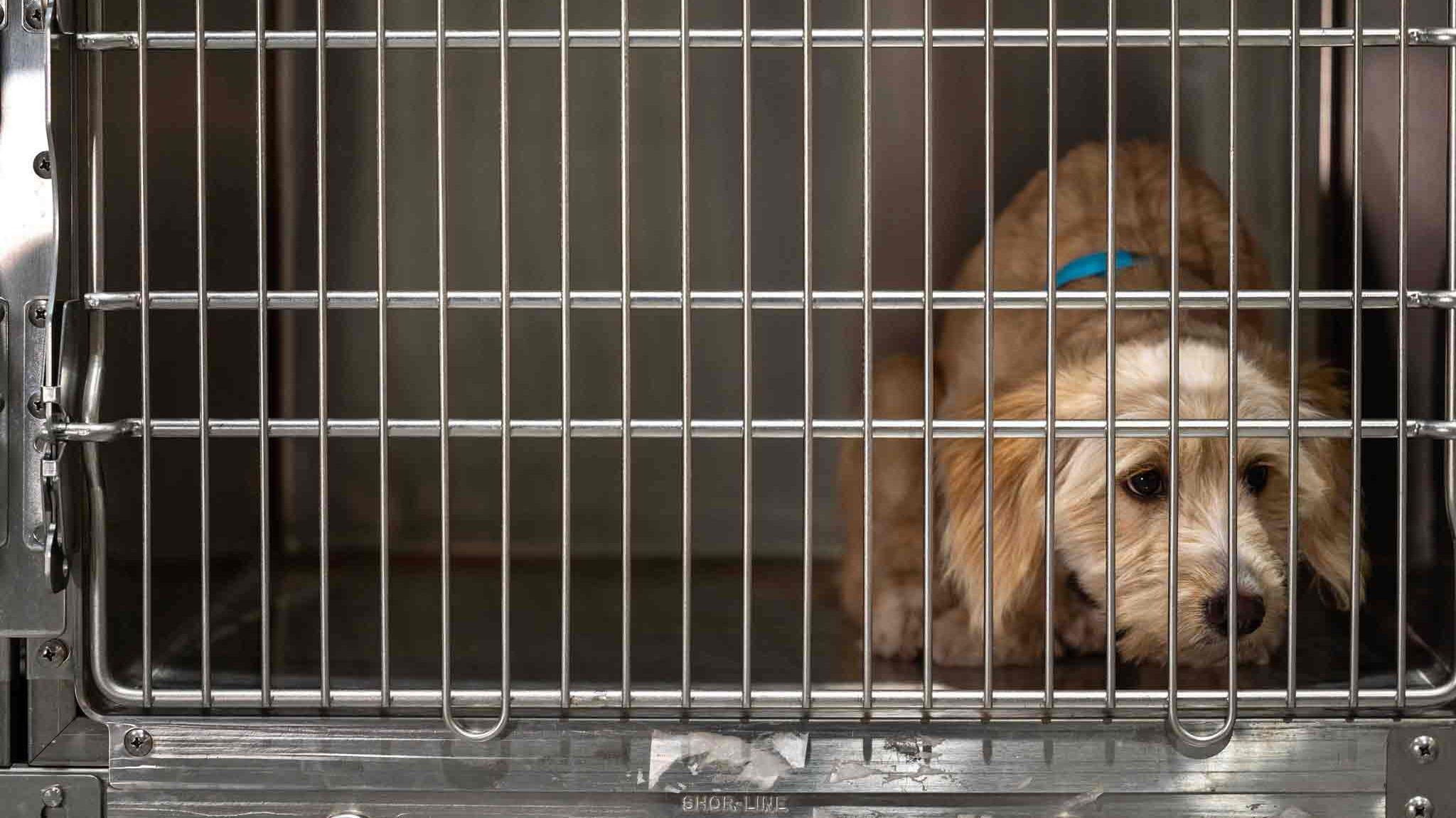
Public policy and legislation is a social determinant of animal health. These laws affect everyone from pet owners, veterinarians and government workers.
In Canada, there are many policies and laws that are related to animal health and welfare. Some are federal and affect the whole country, whereas others are provincial and only apply in specific provinces.
Even though each province has different policies, all of them address the same concern, which is maintaining the health and safety of animals and making sure they have the proper care, no matter the living situation. Some challenges arise due to inconsistencies and gaps in the enforcement of the policies, but animal welfare still remains a top priority.
Manitoba
The animal care act of 1996 and the animal care regulations 2010 address animal welfare by setting standards of care, including the need to provide adequate food, water, shelter, medical attention, exercise, space requirements, and licensing fees for kennels, breeders, and animal-based retail stores. Bill 62: Protecting Property owners from the Animal Diseases Amendment Act 2021 was passed to try and protect agricultural operations by addressing trespassing on farmland and interfering with animals on a farm and during transportation.
Saskatchewan
The Animal Protection Act, the Animal Health Act, the Stray Animals Act, and the Animal Products Act, are laws written collectively to provide a comprehensive framework for protecting the health and welfare of animals across the province, including companion animals, stray animals and livestock.
Enforcement of these laws is carried out by animal protection services, RCMP and municipal police, and authorized animal protection services such as the Regina humane society. Veterinarians also play a critical role in the system as they are required to report identified or suspected neglect or abuse.
British Columbia
There are many pieces of legislation to protect animal welfare, but the foremost would be the Prevention of Cruelty to Animals Act (PCA act). This law is designed to protect domestic and production animals form harm and ensure they have the necessities of life.
It gives authority to police officers, peace officers, and the BC society for the prevention of Cruelty to Animals to enforce this act and defines maximum penalties for offences (up to 2 years in prison, with $75k in fines). Many other laws, such as the Anima Care Codes of Practice Regulation, the Animal Health Act, the Wildlife Act, and the Fish Protection act also apply to animals in the province.
Northern Territories of Canada
Initial policies were focused on controlling loose or stray dogs in response to concerns from non-Inuit populations, but these policies had a significant impact on local Inuit communities and contributed to the decline in traditional dog teams. Therefore, when the Dog Act was introduced in 1988, the focus was shifted to improving and protecting welfare as well as establishing expectations for dog ownership.
The Herd and Fencing Act was also introduced to extend similar legislation to protect the welfare of farm animals. These remain as the primary territorial-level animal health and welfare legislation in the Northwest Territories, leading to a pretty significant gap in the legislation with none explicitly extending to other pets, e.g., cats or exotic species.
Both the Yukon and Nunavut have consolidated these Acts into their own legislation that aims to be inclusive to all species. These policies are still evolving in response to current animal welfare challenges. For example, Nunavut decided to leave animal control up to municipal bylaws rather than territorial legislation, which just this past summer led to animal welfare concerns as their capital city of Iqaluit drastically reduced the hold period for impounded animals from 7 days to 24 hours before they can be euthanized.
National Laws related to Animal health and welfare
Sections 444-447 in the Criminal Code of Canada are relevant to many aspects of animal welfare. There is also federal oversight in areas of disease prevention and control in the Health of Animals act.
Gaps in Legislation
Enforcement gaps are inconsistent, particularly in rural and remote areas where animal protection officers are limited, making it more difficult to report or address cruelty. The enforcement of these policies is also largely reactive rather than proactive, relying on complaints, which makes animal abuse more easily unnoticed.
Another gap is “ag-gag laws”, introduced in Alberta (2019), Ontario (2020), and Manitoba (2021), which criminalize trespassing on farms and prevent people from interfering with animals on farms and in transport. These laws were made to protect animals, but can shield abusive practices. Lastly, there is some underfunding towards animal control agencies and human societies, which limits their ability to investigate abuse and take care of animals taken from these abusive situations.
In Conclusion
Directly or indirectly, everybody in society is responsible for implementing, maintaining, and changing policies and legislation. Governments, local and national, might have responsibility pinned on them; however, they are normally elected to these positions by the public. Their policies are influenced by whichever political side they align with, and by people from industry or non-profits. Each party hopes to sway policies in a particular direction that may or may not be beneficial to animal health and welfare.
Animal health and welfare are protected by laws made by both the federal government and the provinces, with some laws applying across the whole country and others only in certain provinces. Even though these laws are not always enforced the same way everywhere, taking care of animals and keeping them safe is still an important goal.
Additional Resources:
Play a classroom KAHOOT based on this article: Click here!