
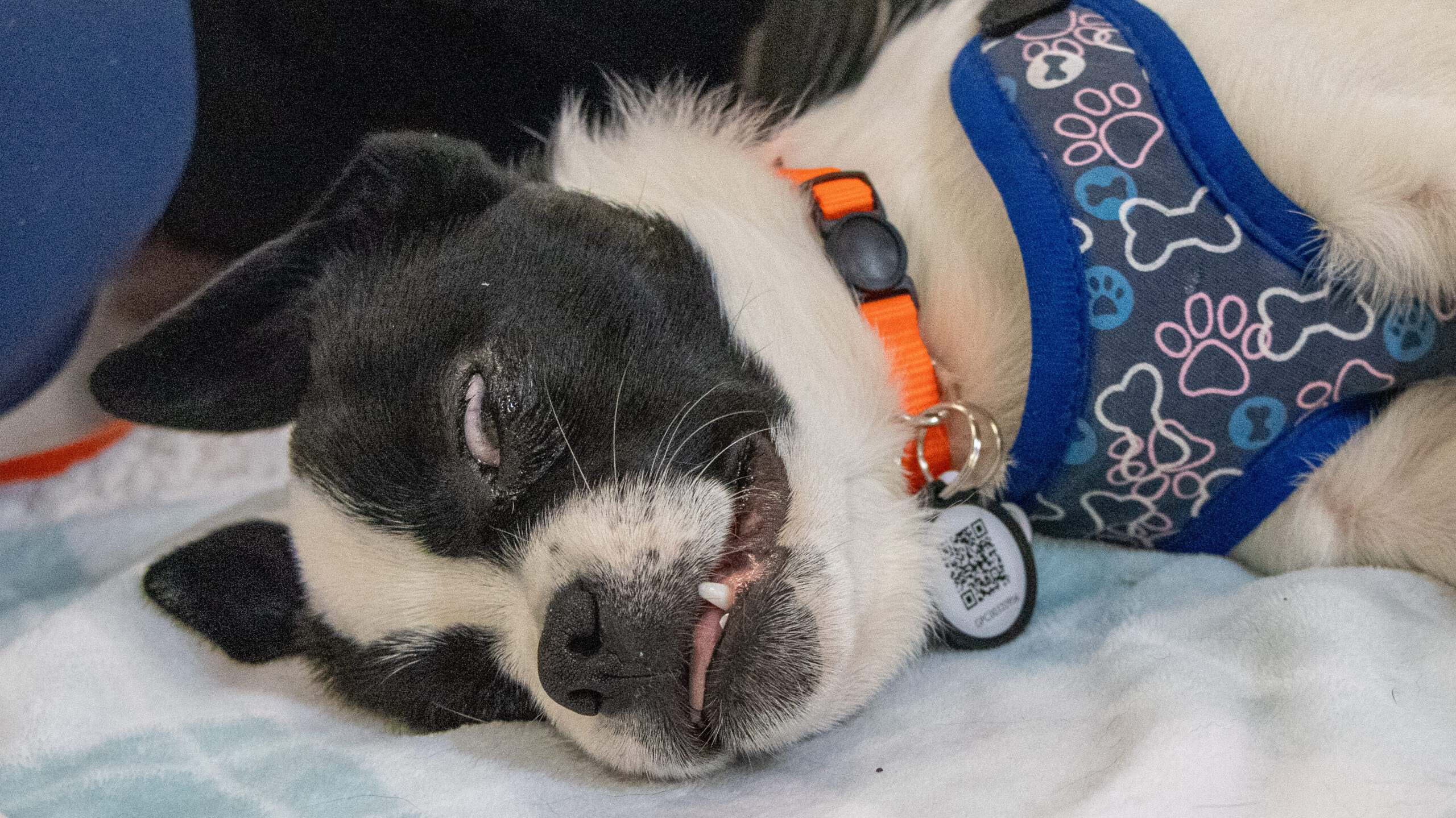
There are many ways a pet owner can determine if their animal is physically and behaviorally healthy.
Physical Appearance
A healthy animal will display several observable physical signs that indicate overall well-being. These include:
- a shiny fur coat
- clear eyes
- clean ears and nose
- all free of discharge or irritation.
The animal should breathe normally, walk or exercise without limping or favoring any body parts, and display a consistent energy level. A steady weight and normal bathroom habits are also key indicators of good health. Additionally, the animal’s vital signs—such as heart rate, temperature, and respiration—should remain within expected limits.
Behavioural signs
Behavioral signs can be important indicators of an animal’s health.
For example, if an animal begins hiding, it may be showing a prey response, which is a natural instinct in prey animals to hide signs of illness or injury to avoid appearing vulnerable. Other signs include inappetence, which means a loss of appetite, as well as lethargy (unusual tiredness or lack of energy) or restlessness (trouble settling down or staying still).
Some animals may engage in self-mutilation, such as biting or scratching themselves excessively, or display inappropriate grooming—either grooming too much or not at all. Changes in social cues, such as avoiding interaction or becoming unusually clingy, may also be concerning.
Disrupted or inappropriate sleep patterns, increased aggression, or noticeable personality changes can all suggest that something is wrong. Recognizing these behavioral shifts early can help ensure an animal gets the care it needs.
Veterinarians play a vital role in helping to determine and maintain an animal’s health by linking physical and behavioral signs to proper care and treatment. While pet owners can observe outward signs like a shiny coat, clear eyes, normal movement, and stable behavior, veterinarians are trained to detect subtle or early abnormalities that may not be obvious. They conduct diagnostic tests, prescribe appropriate medications, and offer treatment plans when issues arise.
In addition to physical care, veterinarians provide behavioral training and consultation, especially when animals show signs like inappetence, aggression, or changes in grooming and sleep patterns. Their work also includes educating pet owners on how to recognize signs of illness, promoting animal welfare, guiding public health decisions, and even participating in research and policy-making. Veterinarians serve as both medical experts and advocates, helping ensure animals live healthier, happier lives.
Additional Resources:
To play a classroom Kahoot based on this article: Click here!
Click here for another article on this topic!